How to Increase Your Credit Limit Before Applying for a New Card sets the stage for understanding the key strategies to boost your credit limit effectively before seeking a new card. From knowing your current limit to building a positive payment history, this guide will help you navigate the process with confidence.
Researching Current Credit Limit
Before applying for a new credit card, it is essential to know your current credit limit on your existing card. This information will help you make informed decisions and avoid any negative impacts on your credit score.






How to Find Out Your Current Credit Limit
To find out your current credit limit, you can check your credit card statement. The credit limit is usually listed on the statement along with other important details such as the due date, minimum payment, and recent transactions.
Understanding Credit Utilization Ratio
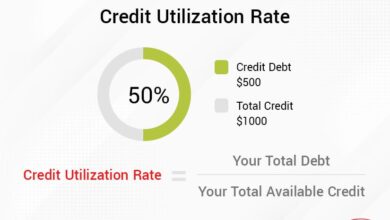
A credit utilization ratio is the percentage of your available credit that you are currently using. It is a crucial factor that impacts your credit score and reflects how responsibly you manage your credit.
Importance of Low Credit Utilization Ratio
Maintaining a low credit utilization ratio is essential for increasing your credit limit. Lenders prefer to see a low ratio as it indicates that you are not overly reliant on credit and are likely to manage it well.
- Utilize less than 30% of your available credit: Aim to keep your credit utilization below 30% to show lenders that you are not maxing out your credit cards.
- Pay off balances in full: By paying off your balances in full each month, you can keep your credit utilization ratio low and demonstrate responsible credit behavior.
- Request a credit limit increase: If your credit utilization ratio is high, consider requesting a credit limit increase on your existing cards to lower the ratio.
Calculating your credit utilization ratio: Divide your total credit card balances by your total credit limits, then multiply by 100 to get the percentage.
Building a Positive Payment History
Maintaining a positive payment history is crucial when it comes to increasing your credit limit. Lenders often look at your payment behavior to determine your creditworthiness and trustworthiness in handling debt responsibly.
Impact of Timely Payments
- Timely payments show that you are reliable and capable of managing your finances effectively.
- Consistently paying your bills on time demonstrates to creditors that you are a low-risk borrower.
- Positive payment history can lead to automatic credit limit increases without having to request one.
Strategies for Maintaining a Good Payment History
- Set up automatic payments to ensure you never miss a due date.
- Create reminders or alerts to notify you of upcoming payments.
- Pay more than the minimum amount due to reduce overall debt and show responsible credit behavior.
- Contact your creditor immediately if you anticipate any issues making a payment to discuss possible solutions or alternatives.
- Avoid maxing out your credit cards and keep your credit utilization ratio low to positively impact your payment history.
Requesting a Credit Limit Increase
When you feel ready to request a credit limit increase from your credit card issuer, it’s essential to understand the process and information required to increase your chances of success.
Process of Requesting a Credit Limit Increase
- Contact your credit card company: Reach out to your credit card issuer through their customer service hotline or online platform.
- Explain your request: Clearly articulate why you are seeking a credit limit increase, such as improved credit score or increased expenses.
- Provide necessary information: Be prepared to share your current income, employment status, and any other relevant financial details.
- Wait for a response: Your credit card company will review your request and inform you of their decision, which may take a few days.
Information Required for a Credit Limit Increase Request
- Current income: Your credit card issuer will need to assess your ability to repay a higher credit limit.
- Employment status: Providing details about your job stability can increase your credibility.
- Reason for increase: Clearly state why you are requesting a credit limit increase to help your issuer understand your needs.
Tips for a Successful Credit Limit Increase Request
- Pay on time: Consistently making on-time payments can demonstrate your financial responsibility.
- Use your card responsibly: Avoid maxing out your credit card or carrying high balances to show good credit utilization.
- Build a positive relationship: Being a loyal customer and maintaining a positive payment history can increase your chances of approval.
- Monitor your credit score: Keeping track of your credit score and improving it can strengthen your case for a credit limit increase.
End of Discussion
In conclusion, mastering the art of increasing your credit limit before applying for a new card can significantly enhance your financial flexibility and opportunities. By following the outlined steps, you can pave the way for a stronger credit profile and better financial health.