How to Increase Your Chances of Getting a High Credit Limit sets the stage for understanding the intricacies of credit limits and explores strategies to enhance your financial flexibility. Dive into this insightful guide to unlock the secrets of securing a higher credit limit.
Explore the factors that influence credit card companies, the perks of a high credit limit, and expert tips for boosting your credit score to achieve your desired credit limit.






Understanding Credit Limits
Credit limits are the maximum amount of money that a credit card company allows you to borrow on your credit card. These limits are determined by the credit card company based on various factors such as your credit score, income, credit history, and other financial details.
Factors Affecting Credit Limits
- Credit Score: A higher credit score indicates responsible credit behavior, which can lead to a higher credit limit.
- Income: A higher income level may result in a higher credit limit as it shows your ability to repay debts.
- Credit History: A positive credit history with no missed payments or defaults can lead to a higher credit limit.
- Debt-to-Income Ratio: A lower debt-to-income ratio signifies that you can manage your finances well, increasing your chances of a higher credit limit.
Examples of Varying Credit Limits
- Individual A with a credit score of 750 and an income of $80,000 may have a credit limit of $10,000.
- Individual B with a credit score of 650 and an income of $40,000 may have a credit limit of $5,000.
- Individual C with a credit score of 800 and an income of $100,000 may have a credit limit of $15,000.
Importance of a High Credit Limit
Having a high credit limit can bring numerous benefits and advantages for individuals. Not only does it provide financial flexibility, but it can also positively impact credit utilization and credit scores.
Benefits of a High Credit Limit
- Ability to make larger purchases: With a high credit limit, individuals can make significant purchases without maxing out their credit cards.
- Emergency fund alternative: A high credit limit can serve as a backup fund in case of emergencies or unexpected expenses.
- Rewards and perks: Many credit cards offer rewards and perks based on spending levels, which can be easily achieved with a high credit limit.
Impact on Credit Utilization and Credit Scores
- Lower credit utilization ratio: A high credit limit means individuals are using a smaller percentage of their available credit, which can positively impact credit scores.
- Improvement in credit scores: Maintaining a low credit utilization ratio due to a high credit limit can help improve credit scores over time.
- Demonstrates creditworthiness: Lenders may view individuals with high credit limits as more creditworthy, potentially leading to better loan terms and offers.
Financial Flexibility in Emergencies
- Quick access to funds: In times of emergencies, a high credit limit can provide immediate access to funds without relying on savings or personal loans.
- Peace of mind: Knowing that there is a significant credit limit available can offer peace of mind during unexpected financial situations.
- Temporary relief: Whether facing a medical emergency or car repair, a high credit limit can offer temporary relief until other financial solutions are in place.
Tips to Increase Your Chances
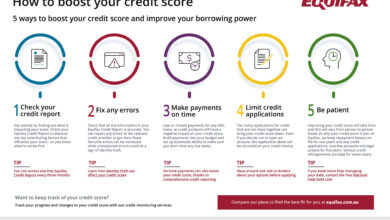
To increase your chances of getting a higher credit limit, there are several strategies you can implement to improve your credit score and demonstrate responsible credit card usage to card issuers.
Improve Your Credit Score
- Pay your bills on time: A good payment history is crucial for a high credit score. Late payments can negatively impact your credit score and decrease your chances of getting a higher credit limit.
- Reduce credit utilization: Aim to keep your credit card balances low compared to your credit limit. High credit utilization can signal financial distress to lenders.
- Check your credit report regularly: Monitor your credit report for any errors or discrepancies that could be dragging down your credit score. Dispute any inaccuracies to improve your score.
Demonstrate Responsible Credit Card Usage
- Use your credit card regularly: Make small purchases and pay off the balance in full each month to show that you can manage credit responsibly.
- Avoid maxing out your credit card: Maxing out your credit card can signal financial instability. Try to keep your credit card balances well below the credit limit.
- Avoid opening multiple new accounts at once: Opening several new credit accounts can lower the average age of your credit history and have a negative impact on your credit score.
Importance of a Good Payment History
- Consistently paying your bills on time is one of the most important factors in determining your credit score.
- A history of on-time payments shows lenders that you are a responsible borrower and can increase your chances of getting approved for a higher credit limit.
- Late payments, on the other hand, can stay on your credit report for up to seven years and significantly impact your credit score.
Requesting a Credit Limit Increase
When you feel ready to request a credit limit increase from your credit card issuer, there are specific steps you need to follow to increase your chances of success. It’s important to approach this process strategically and be prepared to make a strong case for why you deserve a higher credit limit.
Steps to Request a Credit Limit Increase
- Contact your credit card issuer: Reach out to your credit card company either by phone or through their online portal to request a credit limit increase.
- Provide updated financial information: Be prepared to share updated income details or any other relevant financial information that can support your request.
- Explain your reasons: Clearly articulate why you are requesting a credit limit increase, such as improved credit score, increased income, or a need for more purchasing power.
- Wait for a decision: After submitting your request, be patient and wait for your credit card issuer to review your application and provide a decision.
Tips for a Successful Request
- Pay your bills on time: Demonstrating responsible credit card usage by consistently paying your bills on time can increase your chances of a successful request.
- Monitor your credit score: Maintaining a good credit score can show your credit card issuer that you are a reliable borrower deserving of a credit limit increase.
- Use your credit card responsibly: Avoid maxing out your credit card or carrying high balances, as this can signal financial instability to your issuer.
- Follow up if needed: If your request is pending for too long, don’t hesitate to follow up with your credit card issuer to inquire about the status of your application.
Denied Request for Credit Limit Increase
If your request for a credit limit increase is denied, don’t panic. You can take the following steps to improve your chances in the future:
- Ask for specific reasons: Request feedback from your credit card issuer on why your request was denied to address any issues in your credit profile.
- Work on improving your credit score: Focus on boosting your credit score by paying bills on time, reducing debt, and addressing any negative factors affecting your creditworthiness.
- Wait before trying again: Give yourself some time to improve your credit profile before requesting another credit limit increase to increase your chances of approval.
Final Wrap-Up
In conclusion, mastering the art of managing your credit wisely and demonstrating responsible credit card usage can pave the way for accessing a high credit limit. Take charge of your financial future and watch your credit soar to new heights.