Starting with How to Build Credit Score to Unlock High Limit Credit Cards, this paragraph aims to grab the readers’ attention and provide an enticing overview of the topic.
The following paragraphs will delve into the specifics of building a credit score to unlock high limit credit cards.






Understand the Basics of Credit Scores
A credit score is a numerical representation of an individual’s creditworthiness, indicating how likely they are to repay borrowed money. It is calculated based on various factors and helps lenders assess the risk of lending to a particular individual.
Calculation of Credit Scores
Credit scores are typically calculated using a formula that takes into account several factors, including:
- Payment history
- Amounts owed
- Length of credit history
- Types of credit used
- New credit inquiries
Factors Influencing Credit Scores
Several factors can influence a person’s credit score, such as:
- Making timely payments on bills and loans
- Keeping credit card balances low
- Avoiding opening multiple new credit accounts in a short period
- Maintaining a diverse credit mix
Importance of a Good Credit Score for High Limit Credit Cards
A good credit score is essential for accessing high limit credit cards as it demonstrates to lenders that you are a responsible borrower. Lenders are more likely to offer higher credit limits to individuals with good credit scores, as they are considered lower risk borrowers.
Establish Good Credit Habits
Establishing good credit habits is crucial for maintaining a healthy credit score and unlocking high limit credit cards. By following these tips, you can improve your creditworthiness and financial stability.
Make Timely Payments on Existing Debts
One of the most important factors in building a good credit score is making timely payments on your existing debts. Late payments can have a negative impact on your credit score, so it’s essential to pay your bills on time each month.
Maintain a Low Credit Utilization Ratio
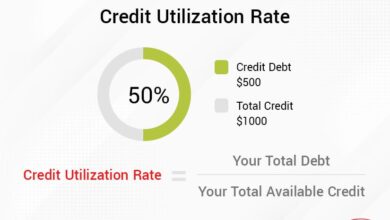
Your credit utilization ratio is the amount of credit you are using compared to the total amount of credit available to you. It’s recommended to keep this ratio below 30% to show lenders that you can responsibly manage your credit. Keeping a low credit utilization ratio can positively impact your credit score.
Impact of Opening New Credit Accounts
Opening new credit accounts can have both positive and negative effects on your credit score. While opening a new credit account can increase your total available credit and improve your credit utilization ratio, it can also result in a hard inquiry which may temporarily lower your score. It’s important to be cautious when opening new accounts and only do so when necessary.
Monitor Your Credit Report Regularly
Regularly monitoring your credit report is crucial in maintaining a healthy credit score and catching any errors that may negatively impact your financial profile. By being proactive in reviewing your credit report, you can ensure accuracy and address any issues promptly.
Obtaining and Reviewing a Credit Report
- Request a free copy of your credit report from each of the three major credit bureaus – Equifax, Experian, and TransUnion – once a year through AnnualCreditReport.com.
- Review the report for any inaccuracies, such as incorrect personal information, fraudulent accounts, or late payments that you did not make.
- Look at your credit score and understand the factors that influence it, such as payment history, credit utilization, length of credit history, new credit inquiries, and credit mix.
Common Errors Affecting Credit Score
- Incorrect personal information, such as misspelled names or wrong addresses.
- Fraudulent accounts opened under your name without your knowledge.
- Inaccurate reporting of late payments or delinquencies that you have already addressed.
Disputing Inaccuracies on a Credit Report
- If you find any errors on your credit report, file a dispute with the credit bureau reporting the mistake.
- Provide supporting documentation, such as payment records or correspondence with creditors, to back up your claim.
- Follow up with the credit bureau to ensure the error is corrected and reflected accurately on your credit report.
Build Credit History Wisely
Having a longer credit history can positively impact a credit score by demonstrating to lenders that you have a track record of managing credit responsibly over time. This can increase your creditworthiness and make you a more attractive borrower.
Strategies for Responsibly Managing Different Types of Credit Accounts
- Diversify your credit mix by having a combination of credit cards, installment loans, and revolving credit accounts.
- Make timely payments on all your accounts to show a history of responsible payment behavior.
- Keep your credit utilization low by not maxing out your credit cards and maintaining a low balance relative to your credit limit.
- Avoid opening multiple new credit accounts within a short period, as this can signal financial instability to lenders.
Benefits of Being an Authorized User on Someone Else’s Credit Card
- Being an authorized user on someone else’s credit card can help you build credit history without the responsibility of being the primary account holder.
- You can benefit from the primary cardholder’s positive credit history, potentially boosting your own credit score.
- It can be a good way to establish credit if you have a limited credit history or are trying to rebuild your credit.
- Keep in mind that any missed payments or high balances on the account can also negatively impact your credit score, so choose the primary cardholder wisely.
Utilize Credit-Builder Products
Secured credit cards, credit-builder loans, and retail store credit cards are all valuable tools when it comes to building credit history and improving your credit score. These credit-builder products can help individuals establish a positive credit profile and work towards unlocking high limit credit cards in the future.
Secured Credit Cards for Building Credit
Secured credit cards are a great option for individuals looking to build or rebuild their credit history. These cards require a cash deposit as collateral, which serves as the credit limit. By using a secured credit card responsibly and making on-time payments, individuals can demonstrate creditworthiness to lenders and gradually improve their credit score.
- Make small purchases and pay off the balance in full each month to show responsible credit usage.
- Keep credit utilization low to avoid maxing out the card, which can negatively impact credit score.
- Monitor credit reports regularly to track progress and identify any errors or discrepancies.
Secured credit cards offer a low-risk way to build credit history and improve credit score over time.
Benefits of Credit-Builder Loans
Credit-builder loans are another effective tool for establishing credit. These loans are designed to help individuals with limited or poor credit history demonstrate their ability to make regular payments. By taking out a credit-builder loan and making timely payments, individuals can showcase responsible financial behavior and boost their credit score.
- Choose a credit-builder loan with affordable monthly payments that fit within your budget.
- Make payments on time each month to establish a positive payment history.
- Consider opting for a credit-builder loan with a reputable lender to ensure reliability and security.
Credit-builder loans provide a structured way to build credit and establish a solid payment history.
Using Retail Store Credit Cards Strategically
Retail store credit cards can be used strategically to improve credit score when managed wisely. While these cards typically come with high interest rates, they can help individuals diversify their credit mix and increase their overall credit limit, which can positively impact credit score.
- Limit the number of retail store credit cards to avoid excessive debt and manage payments effectively.
- Use retail store credit cards for occasional purchases and pay off the balance in full to avoid accruing interest.
- Avoid opening multiple retail store credit cards within a short period, as this can signal financial instability to lenders.
Strategic use of retail store credit cards can contribute to a healthy credit profile and potentially raise credit score.
Last Recap
In conclusion, mastering the art of building credit score is crucial to accessing high limit credit cards. By understanding the basics, establishing good credit habits, monitoring your credit report, building credit history wisely, and utilizing credit-builder products, you can pave the way to financial success.