With How to Avoid Rejection When Applying for High Limit Credit Cards at the forefront, this paragraph opens a window to an amazing start and intrigue, inviting readers to embark on a storytelling filled with unexpected twists and insights.
Exploring the factors, strategies, application process, and common mistakes associated with high limit credit card applications provides a comprehensive guide for success in the realm of credit card approvals.





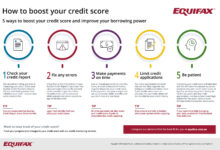
Factors to Consider
When applying for high limit credit cards, there are several important factors that can impact your chances of approval.
Importance of Credit Score
Your credit score plays a crucial role in determining whether you are eligible for a high limit credit card. Lenders use this score to assess your creditworthiness and ability to repay debts. A higher credit score indicates responsible credit management and increases your chances of approval for a high limit credit card.
Role of Income
Income is another key factor that credit card issuers consider when reviewing applications. A higher income level can demonstrate your ability to repay debts and manage a high credit limit. Make sure to accurately report your income on the application to increase your chances of approval.
Existing Debt Levels
Credit card issuers also look at your existing debt levels when evaluating your application for a high limit credit card. High levels of existing debt can indicate financial strain and may lower your chances of approval. It’s important to manage your existing debts and keep them at a manageable level before applying for a high limit credit card.
Credit Card Options
There are different types of credit cards available based on the limit they offer. Some credit cards are designed for individuals with excellent credit scores and high incomes, while others may be more accessible for those with average credit. Consider your financial situation and credit history when choosing a credit card to apply for to increase your chances of approval for a high limit card.
Strategies for Success
Improving your chances of getting approved for a high limit credit card requires strategic planning and preparation. Here are some key strategies to consider:
Improving Credit Score
Before applying for a high limit credit card, focus on improving your credit score. This can be done by making timely payments on existing debts, keeping credit card balances low, and avoiding opening multiple new credit accounts.
Demonstrating Stable Income
Lenders want to see that you have a stable source of income to support your credit card payments. Make sure to provide accurate and up-to-date income documentation, such as pay stubs or tax returns, to demonstrate your financial stability.
Paying Off Existing Debts
Paying off existing debts can significantly improve your credit profile and increase your chances of approval for a high limit credit card. Focus on reducing your debt-to-income ratio and showing responsible debt management practices.
Advantages of Good Credit History
Holding a good credit history can open doors to better credit card offers with higher limits and lower interest rates. It reflects your responsible credit behavior and makes you a more attractive borrower in the eyes of lenders.
Application Process
When it comes to applying for a high limit credit card, there are several steps to follow to increase your chances of approval. Here’s a breakdown of the application process to help you navigate through it smoothly.
Steps to Apply for a High Limit Credit Card
- Gather all necessary documentation, including proof of income, identification, and any other required paperwork.
- Research different high limit credit card options to find one that best fits your financial needs and spending habits.
- Fill out the credit card application form accurately, ensuring all information provided is correct and up to date.
- Double-check your application for any errors or missing information before submitting it to the credit card issuer.
- Submit your application online or through a physical branch, depending on the preferred method of the credit card issuer.
Checklist for Required Documentation
- Proof of income, such as pay stubs or tax returns
- Government-issued identification, like a driver’s license or passport
- Social Security number or equivalent identification number
- Information about your current debts and expenses
- Previous bank statements or financial records
Information Needed for Accurate Application
It’s crucial to provide accurate information on your credit card application to avoid any delays or rejection.
Make sure to have the following information handy:
- Personal details (name, address, contact information)
- Employment details (employer’s name, position, income)
- Financial information (assets, debts, expenses)
- Credit history (credit score, existing credit accounts)
Timeline for Application Status Follow-Up
- After submitting your application, allow 1-2 weeks for processing before reaching out to the credit card issuer for an update.
- If you haven’t heard back after 2 weeks, contact the issuer via phone or email to inquire about the status of your application.
- Be prepared to provide any additional information or documentation requested by the issuer to move the application process forward.
Avoiding Common Mistakes
Avoiding common mistakes is crucial when applying for high limit credit cards to increase your chances of approval. By being aware of common errors that lead to rejection and taking proactive steps to avoid them, you can improve your creditworthiness and enhance your chances of securing the credit limit you desire.
Red Flags for Credit Card Issuers
It’s important to understand the factors that may raise red flags for credit card issuers and potentially lead to rejection of your application. Some examples include:
- High levels of outstanding debt: Having a high amount of outstanding debt relative to your income can signal financial strain and may cause concern for credit card issuers.
- Frequent credit inquiries: Making multiple credit inquiries within a short period can indicate financial instability and may be viewed negatively by lenders.
- Recent delinquencies: Missing payments or defaulting on loans in the recent past can raise concerns about your ability to manage credit responsibly.
Avoiding Maxing Out Existing Credit Limits
Maxing out your existing credit limits can have a negative impact on your credit score and raise red flags for credit card issuers. To avoid this, it’s important to:
- Keep credit utilization low: Aim to keep your credit utilization below 30% to demonstrate responsible credit management.
- Avoid carrying high balances: Pay off your credit card balances in full each month to avoid accruing high levels of debt.
- Consider requesting a credit limit increase: If you regularly come close to maxing out your credit limits, consider requesting a credit limit increase to improve your credit utilization ratio.
Reviewing Credit Reports for Accuracy
Regularly reviewing your credit reports is essential to ensure that the information is accurate and up-to-date. Inaccuracies on your credit report can negatively impact your credit score and lead to rejection when applying for high limit credit cards. Make sure to:
- Check for errors: Look for any inaccuracies, such as incorrect account information or unauthorized transactions, and dispute them with the credit bureaus.
- Monitor your credit regularly: Stay on top of your credit score and report changes to address any issues promptly.
- Protect your identity: Be vigilant about identity theft and fraudulent activity that could impact your credit report, and take steps to safeguard your personal information.
Ultimate Conclusion
In conclusion, navigating the world of high limit credit card applications requires attention to various factors like credit score, income stability, existing debt, and application procedures. By following the outlined strategies and avoiding common mistakes, individuals can increase their chances of approval and secure the credit limit they desire.