Best Tips To Get Approved For Premium Credit Cards With High Limits: Unlocking Access To Exclusive Financial Benefits

Best Tips to Get Approved for Premium Credit Cards with High Limits equips you with the essential knowledge needed to secure top-tier credit cards, providing insights into credit score importance, debt-to-income ratio optimization, credit history maintenance, financial profile showcasing, and prequalification offers utilization.
Learn how to navigate the world of premium credit cards with confidence and boost your chances of approval for high limits through strategic financial management.






Understand the Importance of Credit Score
Having a good credit score is crucial when applying for premium credit cards with high limits. Lenders use your credit score to evaluate your creditworthiness and determine the risk of lending you money.
Why Credit Score Matters for Premium Credit Card Approval
Your credit score is a reflection of your credit history and financial behavior. It shows lenders how responsible you are with credit and how likely you are to repay your debts on time. When applying for premium credit cards, lenders want to see a high credit score as it signifies a lower risk for them.
How Credit Score Affects Credit Limit Decisions
Lenders use your credit score to assess the amount of credit they are willing to extend to you. A higher credit score usually results in a higher credit limit, as it demonstrates your ability to manage credit responsibly. On the other hand, a lower credit score may lead to a lower credit limit or even a rejection of your application.
Tips to Improve Credit Score Before Applying for Premium Cards
- Pay your bills on time: Late payments can negatively impact your credit score, so make sure to pay all your bills by their due dates.
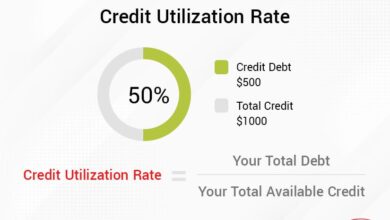
- Reduce credit card balances: Aim to keep your credit card balances low compared to your credit limits, as high credit utilization can lower your credit score.
- Monitor your credit report: Regularly check your credit report for errors or fraudulent activity that could be dragging down your score.
- Use credit responsibly: Avoid opening multiple new accounts at once and only apply for credit when needed to maintain a healthy credit profile.
Research Different Premium Credit Card Options
When looking for premium credit cards with high limits, it is important to research and compare the various options available to find the best fit for your financial needs and lifestyle.
Identifying popular premium credit cards with high limits can be a great starting point. Some well-known premium credit cards include American Express Platinum Card, Chase Sapphire Reserve, and Citi Prestige Card. These cards often come with exclusive perks, rewards, and higher credit limits compared to standard credit cards.
It is essential to compare the benefits and features of different premium cards to determine which one aligns best with your spending habits and goals. Consider factors such as annual fees, rewards programs, travel benefits, and customer service reputation when evaluating premium credit card options.
Understanding the eligibility criteria for premium credit cards is crucial before applying. Premium cards typically require a higher credit score, stable income, and good credit history. Some cards may also have specific requirements, such as a minimum spending limit or membership fees.
Compare Benefits and Features of Different Premium Cards
- Review the annual fees and determine if the benefits outweigh the costs.
- Consider the rewards program and how you can maximize points or cashback.
- Look into travel benefits, such as airport lounge access or travel insurance.
- Check the customer service reputation of the credit card issuer.
- Compare the credit limits offered and any additional perks or bonuses.
Optimize Your Debt-to-Income Ratio
When applying for premium credit cards with high limits, your debt-to-income ratio plays a crucial role in the approval process. Lenders use this ratio to assess your ability to manage additional credit and make timely payments.
Strategies to Lower Debt-to-Income Ratio
Lowering your debt-to-income ratio can increase your chances of getting approved for premium credit cards with high limits. Here are some strategies to improve this ratio:
- Avoid taking on new debt: Stop accumulating more debt to prevent your ratio from increasing.
- Pay off existing debts: Focus on paying off high-interest debts first to reduce your overall debt load.
- Increase your income: Finding ways to boost your income can help lower your debt-to-income ratio.
- Create a budget: Track your expenses and cut down on unnecessary spending to free up more money for debt repayment.
Tips on Managing Existing Debts
Effectively managing your existing debts is crucial for improving your debt-to-income ratio. Here are some tips to help you handle your debts more efficiently:
- Consolidate high-interest debts: Consider consolidating multiple debts into a lower-interest loan to make repayments more manageable.
- Negotiate with creditors: Reach out to your creditors to discuss repayment options or negotiate lower interest rates to ease the burden of debt.
- Automate payments: Set up automatic payments for your debts to ensure you never miss a due date and incur additional fees.
- Monitor your credit report: Regularly check your credit report for errors or discrepancies that could be affecting your credit score and debt-to-income ratio.
Maintain a Healthy Credit History
Maintaining a healthy credit history is crucial when it comes to getting approved for premium credit cards with high limits. Lenders assess your credit history to determine your creditworthiness and how likely you are to repay your debts on time.
Impact of Credit History on Credit Card Approvals
A positive credit history can significantly increase your chances of getting approved for premium credit cards with high limits. Lenders look at factors such as your payment history, credit utilization, length of credit history, types of credit accounts, and new credit accounts opened.
- Ensure timely payments: Paying your bills on time is one of the most important factors in maintaining a positive credit history. Late payments can have a negative impact on your credit score.
- Monitor your credit utilization: Keep your credit card balances low in relation to your credit limits. High credit utilization can indicate financial distress and lower your credit score.
- Length of credit history: The longer you have a positive credit history, the better it reflects on your creditworthiness. Avoid closing old accounts as they contribute to the length of your credit history.
Ways to Resolve Negative Marks on Credit Reports
If you have negative marks on your credit report, there are steps you can take to improve your credit history and increase your chances of getting approved for premium credit cards with high limits.
- Check your credit report: Regularly review your credit report to identify any errors or discrepancies that could be negatively impacting your credit score. Dispute any inaccuracies with the credit bureaus.
- Pay off outstanding debts: Work towards paying off any outstanding debts to reduce your overall debt burden. This can have a positive impact on your credit score over time.
- Establish positive credit habits: Focus on building positive credit habits such as making timely payments, keeping your credit utilization low, and avoiding opening multiple new credit accounts.
Showcase a Strong Financial Profile
When applying for premium credit cards with high limits, showcasing a strong financial profile is crucial. Lenders want to see that you have a stable income and a history of financial responsibility to ensure that you can manage a higher credit limit effectively.
Highlighting Stable Income and Financial Responsibility
To demonstrate your financial stability, make sure to provide accurate information about your income. Include all sources of income, such as salary, bonuses, investments, or rental income. Lenders want to see that you have a consistent and sufficient income to repay your credit card bills on time.
- Provide recent pay stubs or income tax returns to verify your income.
- Include any additional sources of income, such as rental agreements or investment statements.
- Highlight any long-term employment or stable income streams to show financial reliability.
Importance of Providing Accurate Financial Information
Accuracy is key when it comes to your financial profile. Lenders rely on the information you provide to assess your creditworthiness and determine your credit limit. Inaccurate or misleading financial information can lead to rejection or lower credit limits.
Always double-check your financial documents for accuracy before submitting them with your credit card application.
Examples of Documents to Support Your Financial Profile
- Recent pay stubs or income tax returns
- Bank statements showing regular deposits
- Investment statements or rental agreements
- Proof of additional sources of income
Utilize Prequalification Offers
Prequalification offers can be a valuable tool in the credit card application process. They allow you to see which premium credit cards you may be eligible for without impacting your credit score. This can help you focus your efforts on cards that you have a higher chance of getting approved for.
Difference between Prequalification and Preapproval
- Prequalification: This is an initial screening process where the credit card issuer does a soft inquiry on your credit report to assess your creditworthiness. It gives you an idea of the cards you may qualify for.
- Preapproval: Preapproval is a more formal offer extended by the credit card issuer, indicating that you meet their specific criteria. It usually involves a more detailed credit check.
Tips for Leveraging Prequalification
- Check for prequalification offers from multiple credit card issuers to compare your options.
- Focus on cards where you have a higher likelihood of approval based on the prequalification results.
- Use prequalification as a guide to improve your approval odds by working on any areas that may be holding you back.
- Remember that prequalification is not a guarantee of approval, but it can give you a good indication of your standing with the issuer.
Ultimate Conclusion
In conclusion, mastering the art of securing premium credit cards with high limits involves a combination of prudent financial decisions and proactive measures to enhance your creditworthiness. By implementing the best practices outlined, you can position yourself for financial success and access exclusive benefits that come with premium credit cards.