Best Strategies To Qualify For High Limit Credit Cards Fast – Discover The Secrets To Unlocking High Limit Credit Cards Quickly

Best Strategies to Qualify for High Limit Credit Cards Fast is a guide that unveils the key methods to swiftly secure high limit credit cards. Get ready to dive into the world of credit scores and utilization with expert tips and tricks.
Learn how to navigate the complexities of credit card applications and emerge victorious with the perfect high limit credit card tailored to your needs.





Understanding High Limit Credit Cards
High limit credit cards are credit cards that offer a higher credit limit compared to regular credit cards. This means that cardholders have access to more funds that they can borrow from the credit card issuer. These cards are usually reserved for individuals with a strong credit history and a high credit score.
Benefits of Having a High Limit Credit Card
- Ability to make large purchases: With a high limit credit card, individuals can make big-ticket purchases without maxing out their card.
- Improved credit utilization ratio: A higher credit limit can help improve your credit utilization ratio, which is an important factor in determining your credit score.
- Emergency fund: A high limit credit card can serve as a financial safety net during emergencies when cash flow is tight.
- Rewards and perks: Many high limit credit cards offer attractive rewards and benefits, such as cash back, travel rewards, and premium customer service.
Factors Considered by Credit Card Companies for High Credit Limits
- Credit history: A strong credit history with a track record of on-time payments and low credit utilization is key to qualifying for a high limit credit card.
- Income level: Credit card companies assess your income to ensure that you have the means to repay the credit card debt incurred with a high limit.
- Credit score: A high credit score, typically above 700, is important for securing a high limit credit card.
- Debt-to-income ratio: Lenders evaluate your debt-to-income ratio to determine your ability to manage additional credit responsibly.
Building a Strong Credit Score
Having a good credit score is crucial when it comes to qualifying for high limit credit cards. Lenders use your credit score to assess your creditworthiness and determine the level of risk involved in lending to you. A higher credit score not only increases your chances of approval but also allows you to secure better terms and higher credit limits.
The Importance of a Good Credit Score
Your credit score is a numerical representation of your creditworthiness based on your credit history. It takes into account factors such as your payment history, credit utilization, length of credit history, types of credit accounts, and new credit inquiries. Lenders rely on this score to evaluate your financial responsibility and ability to manage credit effectively.
Strategies for Improving a Credit Score Quickly
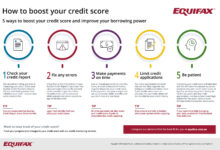
- Pay your bills on time: Your payment history accounts for a significant portion of your credit score. Making timely payments on all your credit accounts is crucial for maintaining a good credit score.
- Reduce credit card balances: High credit card balances relative to your credit limits can negatively impact your credit score. Aim to keep your credit utilization ratio below 30% to improve your score.
- Regularly check your credit report: Monitoring your credit report for errors and inaccuracies can help you identify issues that may be dragging down your score. Dispute any errors you find to ensure your credit report is an accurate reflection of your credit history.
- Avoid opening new credit accounts: Opening multiple new credit accounts within a short period can lower your average account age and indicate financial instability. Limit new credit applications to prevent unnecessary credit score fluctuations.
Impact of Different Types of Credit Accounts on a Credit Score
Various types of credit accounts, such as credit cards, installment loans, and mortgages, can impact your credit score differently. Credit cards, for example, are considered revolving credit accounts and can influence your credit utilization ratio. Installment loans, on the other hand, involve fixed monthly payments and can demonstrate your ability to manage different types of credit responsibly. Understanding how each type of credit account affects your credit score can help you make informed decisions to improve and maintain a strong credit profile.
Managing Credit Utilization
Maintaining a low credit utilization ratio is crucial when aiming to qualify for high limit credit cards. Credit utilization refers to the percentage of your available credit that you are currently using. It plays a significant role in determining your credit score and can impact your ability to qualify for high limit credit cards.
Understanding Credit Utilization
Credit utilization is a key factor in calculating your credit score. It is recommended to keep your credit utilization below 30% to demonstrate responsible credit management. When you consistently keep your credit utilization low, it shows lenders that you are not overly reliant on credit and can manage your finances effectively.
Tips to Keep Credit Utilization Low
- Avoid maxing out your credit cards and strive to keep balances low.
- Regularly monitor your credit utilization and make timely payments to reduce balances.
- Consider requesting a credit limit increase to lower your utilization ratio.
- Use multiple credit cards strategically to distribute spending and keep individual utilization rates low.
Ideal Credit Utilization Ratio
When applying for a high limit credit card, aim for a credit utilization ratio of 10% or lower. This demonstrates to lenders that you are not heavily reliant on credit and can manage your finances responsibly. By keeping your credit utilization low, you increase your chances of qualifying for a high limit credit card with favorable terms and benefits.
Applying for High Limit Credit Cards
When it comes to applying for high limit credit cards, there are several steps you can follow to increase your chances of approval and secure a credit limit that meets your needs.
Step-by-Step Guide
- Check your credit score: Before applying for a high limit credit card, it’s essential to know where you stand in terms of creditworthiness. A higher credit score typically increases your chances of qualifying for a high credit limit.
- Research different credit card options: Look for credit cards that are known for offering high credit limits. Consider factors such as rewards, annual fees, and other perks that align with your financial goals.
- Fill out the application accurately: Make sure to provide all the required information accurately and honestly on the credit card application. Inaccurate information could lead to a denial or lower credit limit.
- Submit supporting documents if necessary: Some credit card issuers may request additional documents to verify your income or identity. Be prepared to provide these documents promptly.
- Wait for a decision: After submitting your application, the credit card issuer will review your information and make a decision. This process can take a few days to a few weeks.
- Accept the offer: If you’re approved for a high limit credit card, carefully review the terms and conditions before accepting the offer. Make sure you understand the credit limit, interest rates, and any fees associated with the card.
Choosing the Right High Limit Credit Card
- Consider your spending habits: Choose a high limit credit card that aligns with your spending habits and financial goals. Look for rewards programs or benefits that cater to your lifestyle.
- Compare interest rates and fees: Look for a credit card with competitive interest rates and low fees. This will help you save money in the long run and avoid unnecessary costs.
- Review credit limit increases: Some credit card issuers offer the opportunity to request credit limit increases over time. Consider cards that provide this option to potentially grow your credit limit in the future.
Importance of Comparing Credit Card Offers
- Find the best fit: By comparing different credit card offers, you can find the card that best suits your financial needs and goals. This includes considering credit limits, rewards, fees, and interest rates.
- Save money: Comparing credit card offers allows you to find the most cost-effective option. By choosing a card with low fees and favorable terms, you can save money on interest payments and other charges.
- Avoid pitfalls: Comparing credit card offers helps you avoid falling into debt traps or choosing a card with unfavorable terms. It allows you to make an informed decision based on your financial situation.
Final Conclusion
In conclusion, mastering the art of qualifying for high limit credit cards fast opens up a world of financial opportunities. By implementing these strategies, you can elevate your credit game and unlock premium benefits. Start your journey towards high limit credit cards today!