Best Financial Habits To Get Approved For High Limit Credit Cards: Smart Strategies For Credit Success

Best Financial Habits to Get Approved for High Limit Credit Cards takes center stage, offering valuable insights on how to secure high credit limits. Dive into the world of finance with these essential tips and tricks.
Learn about the crucial link between financial habits and credit card approvals, and discover the key to building a strong credit profile that lenders love.






Importance of Financial Habits
Good financial habits play a crucial role in determining whether you get approved for high limit credit cards. These habits reflect your level of financial responsibility and discipline, which are key factors that credit card issuers consider when evaluating your creditworthiness.
Impact on Creditworthiness
Maintaining good financial habits, such as paying bills on time, keeping credit card balances low, and avoiding unnecessary debt, can positively impact your credit score. A higher credit score indicates to lenders that you are a reliable borrower, increasing your chances of getting approved for high limit credit cards with favorable terms.
Correlation with Credit Card Limits
Credit card issuers often assess your financial habits to determine the credit limit they are willing to offer you. By demonstrating responsible financial behavior, such as managing credit wisely and maintaining a low debt-to-income ratio, you are more likely to qualify for higher credit limits. On the other hand, poor financial habits, such as missing payments or maxing out credit cards, can lower your credit score and limit your access to high limit credit cards.
Building a Strong Credit Score
Building a strong credit score is crucial when it comes to getting approved for high limit credit cards. Lenders use your credit score as a measure of your creditworthiness, determining the risk of lending you money. A high credit score not only makes you more likely to get approved for a credit card but also increases the chances of receiving a higher credit limit.
Tips for Improving Credit Score
- Make timely payments: Paying your bills on time is one of the most important factors in determining your credit score. Late payments can have a negative impact on your score.
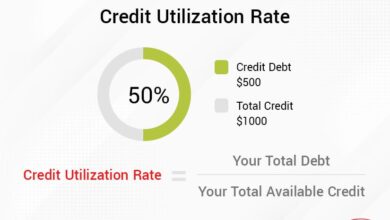
- Keep credit utilization low: Aim to keep your credit utilization ratio below 30%, as high credit card balances relative to your credit limit can lower your score.
- Monitor your credit report: Regularly check your credit report for errors and dispute any inaccuracies that could be dragging down your score.
- Don’t open too many new accounts: Opening multiple new credit accounts within a short period can signal risk to lenders and lower your score.
Credit Score’s Impact on Credit Card Limit Approvals
Your credit score plays a significant role in determining the credit limit you are offered on a credit card. Lenders use your score to assess your credit risk and decide how much credit to extend to you. A higher credit score indicates responsible credit management and makes you a more attractive borrower, increasing the likelihood of receiving a higher credit limit.
Managing Debt Effectively
Effective debt management is crucial when it comes to getting approved for high limit credit cards. Lenders assess your debt situation to determine your ability to handle additional credit responsibly. By managing your debt wisely, you can increase your chances of approval for high limit cards.
Strategies for Reducing Debt
- Create a budget: Track your income and expenses to identify areas where you can cut back and allocate more funds towards debt repayment.
- Pay more than the minimum: Aim to pay more than the minimum amount due on your debts each month to accelerate the payoff process.
- Consolidate debt: Consider consolidating high-interest debts into a lower interest loan or balance transfer credit card to reduce overall interest costs.
- Avoid new debt: Focus on paying off existing debt before taking on new debt to improve your debt-to-income ratio.
Impact of Debt-to-Income Ratio
Maintaining a healthy debt-to-income ratio is essential for credit card approvals, especially for high limit cards. Lenders use this ratio to evaluate your ability to manage additional debt based on your current income level. A lower debt-to-income ratio indicates that you have more disposable income available to handle credit card payments, increasing your chances of approval for high credit limits.
Establishing a Healthy Financial Profile
Having a healthy financial profile is crucial when applying for high limit credit cards. Lenders look for specific components that indicate responsible financial behavior and lower risk for them.
Components of a Healthy Financial Profile
- Maintaining a strong credit score: A high credit score shows that you have a history of managing credit responsibly.
- Low credit utilization: Keeping your credit card balances low compared to your credit limit demonstrates good financial discipline.
- Long credit history: Lenders prefer borrowers with a long credit history as it provides more data on your financial habits.
- On-time payment history: Consistently making payments on time reflects reliability and financial stability.
Diversifying Credit Accounts
Diversifying your credit accounts can help strengthen your financial profile by showing that you can manage different types of credit responsibly.
For example, having a mix of credit cards, installment loans, and a mortgage can demonstrate diversity in handling various financial obligations.
Income Stability and Employment History
Income stability and employment history play a significant role in credit card limit approvals. Lenders want to ensure that you have a stable source of income to repay your debts.
Having a steady job with a consistent income can increase your chances of getting approved for a high limit credit card.
Responsible Credit Card Usage
Using credit cards responsibly is crucial for maintaining high limits and building trust with lenders. It involves managing your spending, making timely payments, and keeping your credit utilization low.
Importance of Timely Payments
- Make at least the minimum payment by the due date to avoid late fees and negative marks on your credit report.
- Consistently paying on time demonstrates reliability to lenders and can lead to credit limit increases.
Keeping Credit Utilization Low
- Avoid maxing out your credit cards as high credit utilization can signal financial strain to lenders.
- Try to keep your credit utilization ratio below 30% to show responsible usage and improve your credit score.
Impact of Payment History on Credit Limits
Your payment history is a key factor in determining credit limit increases. Lenders look at your track record of making payments on time to assess your creditworthiness.
- Consistent on-time payments can lead to offers for higher credit limits over time.
- Missed or late payments can result in lower credit limits and hinder your chances of getting approved for high limit credit cards.
Outcome Summary
In conclusion, mastering the best financial habits is the gateway to unlocking high limit credit cards. By implementing these strategies, you can pave the way to a secure financial future.